Suny Hug Font: The Cozy Handwritten Typeface for Heartfelt Designs
There’s something about a handwritten font that instantly makes a design feel more personal, more approachable, more human. In a world saturated with sleek digital typography and minimalist sans serifs, a typeface like Suny Hug Font stands out precisely because it doesn’t try to be perfect. Instead, it leans into warmth, softness, and the kind of gentle imperfection that makes your audience feel like they’re reading a note from a friend rather than a corporate brochure.
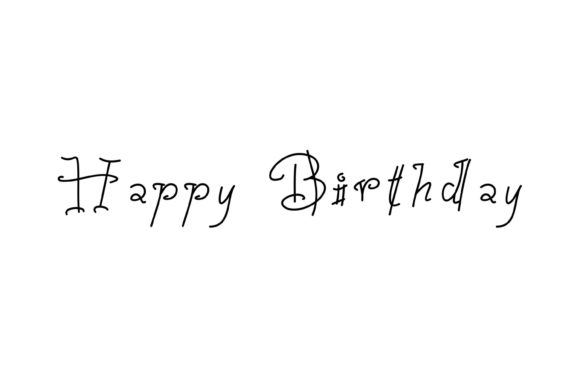
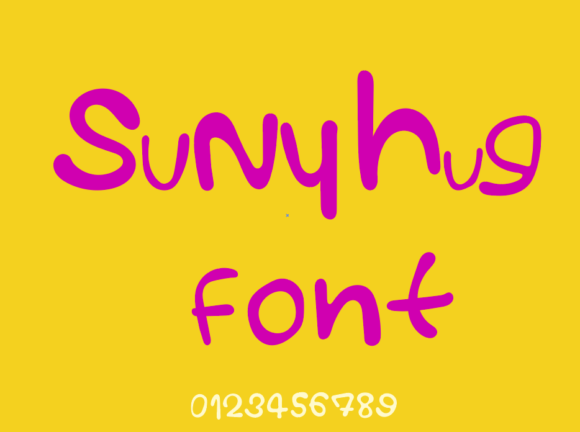
Suny Hug is a soft, cozy handwritten font that wraps your words in charm. Its letterforms feature gentle curves, natural flow, and a subtle bounce that mimics real pen-on-paper handwriting. Each character feels lovingly crafted, giving your work a friendly, heartfelt quality that’s hard to replicate with more rigid typefaces. Whether you’re designing a holiday greeting card, laying out a children’s book, or creating packaging for a handmade candle business, this font brings an emotional warmth that connects with people on a gut level.
Where This Typeface Truly Shines
One of the biggest challenges designers and creative entrepreneurs face is finding a font that works across multiple contexts without losing its personality. Suny Hug manages this balance beautifully. It’s versatile enough for both digital and print projects, yet distinctive enough that it doesn’t fade into the background.
Think about branding for a small bakery, a children’s clothing line, or a boutique stationery shop. These businesses thrive on personality and trust. A script font like Suny Hug communicates exactly that — it says, “We care about the details, and we put love into what we do.” When used on a logo, business card, or product tag, it creates an immediate emotional association that more clinical fonts simply can’t achieve.
For packaging design, especially for artisan products, organic goods, or seasonal gift items, Suny Hug adds a tactile, handmade quality. Imagine a kraft paper label on a jar of homemade jam with the product name set in this font. It immediately signals authenticity and craftsmanship. The same principle applies to gift tags, holiday cards, and wedding invitations — any project where the goal is to make someone feel special.
Practical Applications Across Creative Projects
The beauty of a creative font like Suny Hug is that it adapts to your vision rather than forcing you to adapt to it. Here are some real-world scenarios where it fits naturally:
- Social media graphics: Quotes, announcements, and promotional posts benefit from a handwritten aesthetic that stops the scroll. Suny Hug works especially well for Instagram stories, Pinterest pins, and Facebook headers where warmth and personality drive engagement.
- Blog headers and web design: Used sparingly — perhaps for section headings, pull quotes, or call-to-action buttons — it adds a human touch to otherwise structured layouts. Pair it with a clean sans serif font for body text to maintain readability while keeping the overall design inviting.
- Print materials: Flyers, brochures, menus, and posters for events like farmers’ markets, craft fairs, or community gatherings look more approachable with a handwritten display font as the headline.
- Digital products: If you sell printable planners, journaling kits, or educational worksheets on platforms like Etsy or Creative Market, Suny Hug gives your products a cohesive, polished-yet-approachable look that buyers love.
- Editorial design: Magazine spreads, recipe cards, and lifestyle publications can use this font for feature titles and captions to create a relaxed, conversational tone.
- Merchandise: Tote bags, mugs, stickers, and apparel — especially those targeting a cozy, feel-good aesthetic — benefit from a typeface that feels hand-lettered and genuine.
Pairing Suny Hug With Other Fonts
No font exists in isolation. The real magic of modern typography happens when you combine typefaces thoughtfully. Suny Hug’s organic, flowing style pairs best with fonts that offer contrast without competition.
A geometric sans serif font like Montserrat or Lato provides a clean, structured counterbalance. The contrast between Suny Hug’s hand-drawn warmth and the sans serif’s crisp precision creates visual interest while keeping the layout balanced. This pairing works particularly well for web design, where you need headers to pop and body copy to remain highly readable at smaller sizes.
For a more editorial or sophisticated feel, consider pairing it with a classic serif font like Playfair Display or Georgia. This combination works beautifully for wedding invitations, lifestyle blogs, or branding for premium handmade goods. The serif adds a touch of elegance while Suny Hug keeps things grounded and approachable.
A good rule of thumb: use Suny Hug for headlines, short phrases, or accent text. Reserve longer paragraphs and detailed information for a more legible companion typeface. This approach ensures your designs stay visually dynamic without sacrificing clarity.
Readability and Licensing: What to Know Before You Commit
Any time you choose a handwritten font for a project, readability should be top of mind. Suny Hug’s letterforms are clear and well-spaced, which is a significant advantage over more ornate script fonts that can become illegible at small sizes. That said, it’s still worth testing your specific use case. Set a few paragraphs of body copy in the font and step back — if your eyes struggle to track the words comfortably, it’s best used as an accent rather than primary text.
Check what styles are included with the font family. Many premium fonts offer multiple weights, alternates, or stylistic variations that give you more flexibility. If Suny Hug includes swashes, ligatures, or alternate characters, experiment with them. These small details can elevate a design from good to exceptional, especially in logo design or headline treatments.
Licensing is another critical consideration, particularly if you’re a small business owner or freelancer. Before using any commercial font in client work, merchandise, or products for sale, verify that the license covers your intended use. Most font marketplaces make this straightforward, but it’s worth reading the fine print. Some licenses restrict use on print-on-demand platforms, while others may require an extended license for large-scale production. Understanding these terms upfront saves headaches later and ensures your brand identity assets are fully protected.
Why a Cozy Font Matters More Than You Think
In branding and visual communication, typography is never just about aesthetics — it’s about psychology. The fonts you choose send subconscious signals to your audience. A sharp, angular typeface communicates authority and precision. A flowing script font suggests creativity and intimacy. And a soft, rounded handwritten font like Suny Hug? It communicates trust, warmth, and approachability.
For entrepreneurs building a brand identity around handmade goods, wellness, children’s products, or lifestyle services, these emotional cues are everything. Your audience isn’t just buying a product — they’re buying a feeling. The right typography reinforces that feeling at every touchpoint, from your website to your packaging to your Instagram feed.
Suny Hug Font isn’t trying to be everything to everyone, and that’s exactly what makes it effective. It knows what it is — a cozy, heartfelt typeface that brings warmth to the projects it touches. Whether you’re a designer crafting a seasonal campaign, a small business owner refreshing your packaging, or a hobbyist creating printable gifts for friends, it offers a reliable, emotionally resonant foundation for your creative work.
Take the time to experiment with it. Set your brand name in it. Mock up a greeting card. Lay out a social media post. See how it feels in context. The best design assets are the ones that make your work feel more like you — and for projects that call for a gentle, personal touch, Suny Hug delivers exactly that.