Paxalah: Retro Pixel Charm Meets Modern Arabic Design
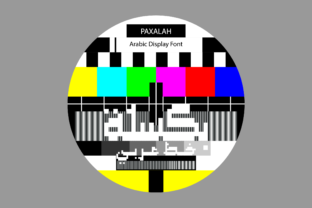
There's a certain magic in the blocky, confident shapes of 8-bit graphics—a visual language that instantly triggers nostalgia and a sense of playful energy. Now, imagine channeling that distinctive aesthetic into Arabic typography. Enter Paxalah, an Arabic display font that transforms the pixelated look of classic video games and early computer screens into a versatile design asset. This isn't just a novelty; it's a carefully crafted typeface that bridges retro digital culture with the beautiful flow of Arabic script, offering designers and creators a unique tool to make their projects stand out.
A Typeface with a Distinctive Personality
Paxalah is more than just a pixel font for Arabic. Its construction respects the essential forms and readability of Arabic characters while applying a consistent, grid-based pixel aesthetic. Each letterform is built from visible squares, creating a texture that feels both digital and handcrafted at the same time. This gives it a strong, contemporary edge despite its retro inspiration. The font often includes stylistic alternates and ligatures, which are crucial for authentic Arabic typesetting, allowing for natural flow and connection between letters. The result is a typeface that feels familiar yet entirely fresh, perfect for projects that aim to be bold, tech-inspired, or infused with a dose of digital nostalgia.
Where Pixel Typography Truly Shines
The true value of a creative font like Paxalah lies in its application. Its strong visual presence makes it ideal for headlines, logos, and branding elements where impact is key. Consider using it for a tech startup's logo that wants to convey innovation with a retro wink, or for a gaming blog's header to immediately signal its niche. It's equally effective in packaging design for products targeting a younger, digitally-native audience—think retro snack brands, indie video game merchandise, or modern stationery with a tech twist.
For social media, Paxalah can stop the scroll. A bold quote graphic, an Instagram story announcement, or a YouTube thumbnail set in this typeface will have an unmistakable character that standard fonts lack. In web design, it can be used strategically for section headers or call-to-action buttons to inject personality without sacrificing the overall user experience. Print projects like event posters, album covers, or magazine editorial spreads can leverage its texture to create a striking visual hierarchy. Even for personal projects—like custom invitations for a themed party, DIY craft labels, or digital planners—Paxalah adds a layer of intentional, stylish design that elevates the final product.
Practical Considerations for Your Projects
Choosing a display font like Paxalah requires some practical thinking. First, always consider readability. While perfect for headlines and short bursts of text, its pixelated nature may reduce legibility in long body paragraphs. The best practice is to pair it with a clean, complementary sans serif or serif font for supporting text. For example, use Paxalah for a product name on packaging and a simple, elegant sans serif for the description. This creates a balanced and professional presentation.
Second, review the font's full character set and styles. A quality premium font will often include multiple weights or styles, giving you flexibility. Does it have the punctuation and numerals you need? Are there alternate characters that help with specific letter combinations? Testing the font in your actual design software before finalizing a purchase is essential.
Finally, understand the licensing. If your project is commercial—like a client's logo, merchandise for sale, or a paid app—you will need to ensure the font license permits such use. Most reputable foundries offer clear commercial licenses, so you can invest with confidence, knowing your brand identity is built on a solid, legal foundation.
Building a Cohesive Visual Identity
Integrating a distinctive typeface like Paxalah into your brand system can significantly boost recognition. When used consistently across your website, social media graphics, and marketing assets, it becomes a recognizable element of your visual language. This consistency builds professionalism and trust with your audience. The font's unique personality helps carve out a specific niche in the market, making your brand more memorable. It tells a story—perhaps one of innovation, creativity, or a connection to digital culture—before a single word of copy is even read.
The key is intentionality. Don't use it everywhere, but use it where it counts most. Let it anchor your most important headlines, define your logo's character, or mark your signature content. Paired thoughtfully with other design assets—color palettes, imagery, and secondary typography—Paxalah becomes a powerful piece of a larger, cohesive brand identity that engages your audience and communicates your unique value proposition clearly and stylishly.